Understanding Corporate Security Services
In today’s rapidly evolving business landscape, corporate security has become an essential component for organizations seeking to protect their assets, employees, and overall reputation. Corporate security services encompass a variety of measures designed to safeguard businesses against potential threats, both internal and external. Engaging with a trusted service provider not only mitigates risks but also enhances the confidence of clients and stakeholders in your organization.
Definition and Importance of Corporate Security
Corporate security refers to the strategies and processes implemented by organizations to protect their physical and intellectual assets. This includes safeguarding against theft, vandalism, corporate espionage, and other potential security threats. The importance of corporate security cannot be overstated; in an increasingly interconnected world, vulnerabilities can arise from various fronts, making comprehensive protection vital.
By proactively addressing security concerns, businesses can ensure a safe working environment, maintain compliance with laws and regulations, and improve overall operational efficiency. When exploring options, Corporate Security providers deliver comprehensive insights into effective strategies for risk management and crisis resolution.
Types of Corporate Security Services Offered
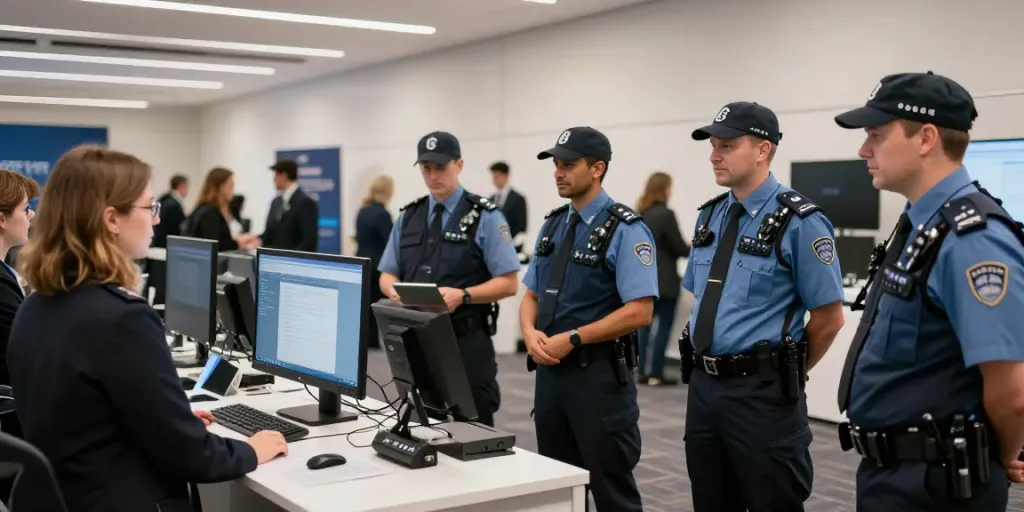
- Physical Security: Involves measures such as manned guarding, surveillance systems, and access control to prevent unauthorized entry and ensure a secure environment.
- Cybersecurity: Protects digital assets from threats such as hacking, data breaches, and information theft by using advanced technology and practices.
- Risk Assessment: Involves identifying potential security threats and vulnerabilities within business operations to implement effective strategies to mitigate those risks.
- Executive Protection: Focused on ensuring the personal safety of key individuals within a corporation through close protection services.
- Consulting Services: Offers expert advice on how to develop comprehensive security policies and crisis management plans tailored to specific business needs.
Key Benefits of Hiring a Corporate Security Provider
- Expertise: Security providers have specialized training and knowledge to address a multitude of security challenges posed in various industries.
- Comprehensive Coverage: Access to a wide range of services ensures that all aspects of corporate security are covered, from physical and cyber to personnel safety.
- Cost-Effectiveness: Outsourcing security services can often be more cost-effective than hiring in-house staff, especially for smaller businesses.
- Scalability: Security solutions can be scaled up or down depending on the size of the operation and the specific needs at any given time.
- Focus on Core Business: Allows organizations to concentrate on their core business activities while security experts manage their safety and compliance.
How to Choose the Right Corporate Security Provider
Selecting the right corporate security provider is crucial for ensuring optimal protection for your assets. The choice should be informed by a thorough evaluation of potential partners' capabilities and credentials.
Factors to Consider When Hiring a Security Company
- Experience: Look for providers with a significant history in the corporate security sector, particularly within your industry.
- Licenses and Certifications: Ensure that the company is licensed, bonded, and insured. Relevant certifications, such as ISO certifications or SIA accreditation, are also essential indicators of credibility.
- Service Offerings: Assess the range of services available to determine if they can tailor solutions to meet your specific requirements.
- Reputation: Research client testimonials and case studies to gauge the company’s reliability and effectiveness.
- Technology Utilization: Ensure the provider employs up-to-date technology for surveillance and response measures.
Questions to Ask Potential Security Providers
- What makes your security solutions different from your competitors?
- Can you explain the training and certifications of your personnel?
- How do you assess the unique security needs of a specific business?
- What is your process for handling incidents and reporting?
- Can you provide references from similar businesses you have worked with?
Identifying Licenses and Credentials
To ensure the legitimacy and professionalism of a potential security provider, it’s important to verify that they possess all necessary licenses and credentials. In the UK, the Security Industry Authority (SIA) is responsible for regulating the private security industry, ensuring that companies and their personnel meet stringent legal and operational standards.
Cost Breakdown of Corporate Security Services
Understanding the cost of corporate security services is vital for effective budgeting and resource allocation. The expenses can vary widely based on various factors, including the complexity of the security needs, the geographic location, and the level of service required.
Average Pricing for Corporate Security in London
On average, businesses in London can expect to pay between £12 and £20 per hour for basic security services, such as security guard provision. For specialized services like close protection or surveillance, costs can rise significantly, often reaching between £30 and £70 per hourly rate.
Hidden Costs to Watch Out For
When budgeting for corporate security, it's essential to be aware of potential hidden costs. These may include:
- Initial set-up fees for security systems.
- Costs associated with emergency response services.
- Training and development for security staff.
- Fees for ongoing maintenance of security systems.
- Administrative costs for incident reporting and compliance documentation.
How to Create a Security Budget
When developing a security budget, it’s important to begin with a comprehensive risk assessment to identify specific vulnerabilities and potential threats. From there, prioritize spending on the most critical areas of concern. Incorporate both expected and contingency expenditures to ensure all aspects of security are covered. Regularly review and adjust the budget based on new threats, security needs, and business growth.
Customer Testimonials and Reviews
Customer feedback plays a vital role in validating the capabilities of corporate security providers. Reading testimonials can provide insight into how effectively the company operates and the value they bring to their clients.
Importance of Customer Feedback in Choosing Security Services
Customer reviews can significantly influence decision-making processes when selecting a security provider. Positive testimonials highlight reliability and effectiveness, while complaints regarding a provider reveal potential pitfalls that may be red flags.
What Clients Say About Our Corporate Security Solutions
Many clients have expressed gratitude for the comprehensive security solutions delivered. They routinely praise our responsiveness, professionalism, and tailored strategies that effectively address their unique security challenges. Such positive reinforcement establishes our reputation as a premier corporate security provider.
Case Studies of Successful Security Implementations
Documenting successful implementations helps potential clients understand how we have resolved complex security challenges in various business settings. Real-world examples showcase our problem-solving capabilities and demonstrate trust built through long-term relationships.
Seasonal Considerations for Corporate Security
As security needs can vary seasonally, businesses must adapt their frameworks to address changing circumstances, especially around holidays or large-scale events.
Planning for High-Profile Events and Holidays
During high-traffic periods, such as holiday shopping seasons or large corporate events, ensuring robust security measures is essential. Implementing additional manpower and surveillance can help mitigate potential threats during such times.
Adapting Security Measures During Seasonal Fluctuations
Security protocols should be adjusted based on season-specific risks, including increased theft during shopping seasons or heightened scrutiny of access control during festivals and public events. A review of security plans prior to each season can help ensure readiness.
Emergency Preparedness and Response Strategies
Every organization should have a distinct emergency response plan in place that focuses on rapid action and clear communication. For more information, Corporate Security offers valuable insights. Regular drills and training sessions with all employees can enhance readiness for emergencies, fostering a culture of safety and vigilance.